Search This Blog

Sunday, 30 April 2017

Ketogenic Food List.

Are you embarking on a weight loss regime using the ketogenic diet? If so, here are some of the foods that are low in carbohydrates that you can eat or use in your cooking.

Healthy fats and oils
Nuts
Vegetables
Meats
and poultry produts
Fish and sea products
Fruits
Beverages and drinks
Spices.
Others
Olive oil
Almonds
Cucumber
Egg
All fish
Avocado
Water

Turmeric
Psyllium husk
Coconut
Brazil nuts
Cabbage
Cheese
Squid
Olives
Coffee
Black pepper
Almond flour
Palm oil
Hazelnuts
Cauliflower
Milk
Shark
Lime
Lime juice
Ginger
Coconut flour
Animal fats
Sunflower seeds
Broccoli
Cottage cheese
Abalone
Lemon
Lemon juice
Garlic
Xanthan gum
Avocado oil
Walnuts
Egg plant
Sausage
Caviar
Cranberry
Teas
Cloves
Guar gum
Ghee
Pine nuts
Zucchini
Beef
Prawns
Grapefruit
Herbal tea
Nutmeg
Flax meal
Shea butter
Coconut
Squash
Poultry
Lobsters
Blackberry
Almond milk
Cinnamon
Pork rind
Cocoa butter
Macadamia nuts
Brussel sprouts
Yogurt
Shellfish
Blueberry
Coconut milk
Cardamom

Coconut oil
Sunflower seeds
All leafy greens
Sour cream
Oysters
Raspberry
Club soda
Cilantro

Macadamia oil
Pecans
Artichokes
Bacon
Mussels
Strawberry
Seltzer water
Cumin

Sesame oil
Sesame seeds
Bell peppers
Whipping cream
Shrimp

Kombucha tea
Basil

Lard
Flax seeds
Asparagus
Pork
Lobster


Curry powder

Walnut oil
Pumpkin seeds
Mushrooms
Chicken fat
Crayfish


Oregano

Tallow
Cashew nuts
Celery
Goat
Crab


Thyme

Avocado oil
Chia seeds
Okra
Lamb
Clams


White pepper

Beef tallow
Breadfruit seeds
Ogbono
Organ meats
Snails


Cayenne pepper


Peanut butter
Pistachios


Rosemary

Wednesday, 26 April 2017

Ketogenic Diet: Eating Lots of Fat to Burn Fats!

Ketogenic diet is becoming very popular these days for a variety of reasons! Many people are now turning to this high fat, medium protein and low carbohydrate diet to lose weight. The recommended macronutrients are roughly 75% fats, 20%proteins and 5% carbohydrates.

Ketogenic diet is fast becoming a DIY weight loss program and it is working effectively. Lots of people are embracing it and getting results in a short time, giving them a feeling of accomplishment.
Ketogenic diets are being used for weight loss, treating epilepsy and some neurological conditions. It is even being used to treat cancer due to the fact that the body does not produce too much glucose which cancer cells need in high amounts.

The main aim of using a ketogenic diet for is to allow your body turn to an effective fat-burning machine. This comes about when your body burns fat to produce fuel molecules called ketones as an alternative to glucose which is produced from carbohydrates. This is what is called KETOSIS.

A few years ago, most of us would not have believed that eating a high proportion of good fats would help us burn fat. Most fats we have been asked to stay away from are the best fats to use for weight loss! Imagine! Butter not margarine, olive oil, cheese, olives, coconut oil, etc. Search deep down you will find that they are natural oils and fats. Definitely not the trans-fats which are the real bad fats. Read here about why trans-fats are bad for you.

The only downside to ketosis is that when you are just starting, you may have symptoms like headaches, fatigue, weakness, light-headedness, and irritability. These usually fade away when your body adjusts to this new diet.

A lot of dietary recommendations have favoured a low fat diet, resulting in most people being unable to lose weight and if they do, maintain it. Thanks to Dr. Russell Wilder who invented the ketogenic diet in 1924, most people can now lose weight or control their weight cheaply, effectively and efficiently.


What is your keto experience like? Kindly share below.

Wednesday, 30 November 2016

Pettiveria Alliceae Medicinal Uses


Image result for petiveria alliacea picturesPettiveria Alliceae is a perennial shrub native to tropical parts of South, Central and North America, although it now grows in other tropical areas. Pettiveria Alliceae is used to treat a wide variety of ailments traditionally in South America and other areas where it grows. It is known by many names but commonly as henweed. It is called oju saju in Yoruba.

Pettiveria alliceae contains active components like flavonois, steroids, coumarin, polyphenols, tannins, benzaldehyde, astilbin and a sulfur compound called dibenzyl trisulfide which has anti-cancer and anti-tumour properties. Coumarin and benzaldehyde also possess anti-cancer and anti-tumour properties. This is the reason it is being used traditionally to treat cancer in some countries. 

The many therapeutically active components of Pettiveria alliceae have given it the following
properties:
  • Antioxidant
  • Anti-inflammatory
  • Anti-spasmodic
  • Anti-microbial against viruses, bacteria, yeast and fungi
  • Diuretic
  • Anti-tumour
  • Analgesic
  • Hypoglycemic
  • Sedative
  • Abortifacient
  • Anti-sickling

Pettiveria Alliceae is used medicinally to:
  1. Kill cancer cells
  2. Reduce pain and aches topically
  3. Treat malaria
  4. Treat sickle cell anaemia
  5. Lower blood sugar level
  6. Treat arthritis and inflammation 
  7. Boost the immune system
  8. Treat malaria
  9. Reduce spasms
  10. Treat bacterial infections and kill bacteria
  11. Reduce or shrink tumours
  12. Reduce anxiety
  13. Bring down fevers
  14. Kill fungi 
  15. Kill insects 
  16. Kill leukemia cells
  17. Kill viruses
  18. Kill yeasts
  19. Promote menstruation 
  20. Sedate and calm
  21. Increase perspiration  
  22. Kill intestinal worms 
  23. Increase urinary output 
  24. Cure venereal diseases
  25. Treat allergies
  26. Resolve stomach ailments

The roots, leaves are the parts that are mostly used. They are made into tea or decoctions and taken. Pettiveria alliceae can also induce abortions by stimulating the uterus, so it is advisable for pregnant women to avoid using it. This same property is used to ease child delivery.

Pettiveria Alliceae is used for so much more than listed above. Share what you know about this plant below. Follow on Twitter @heal2bwell.

Tuesday, 29 November 2016

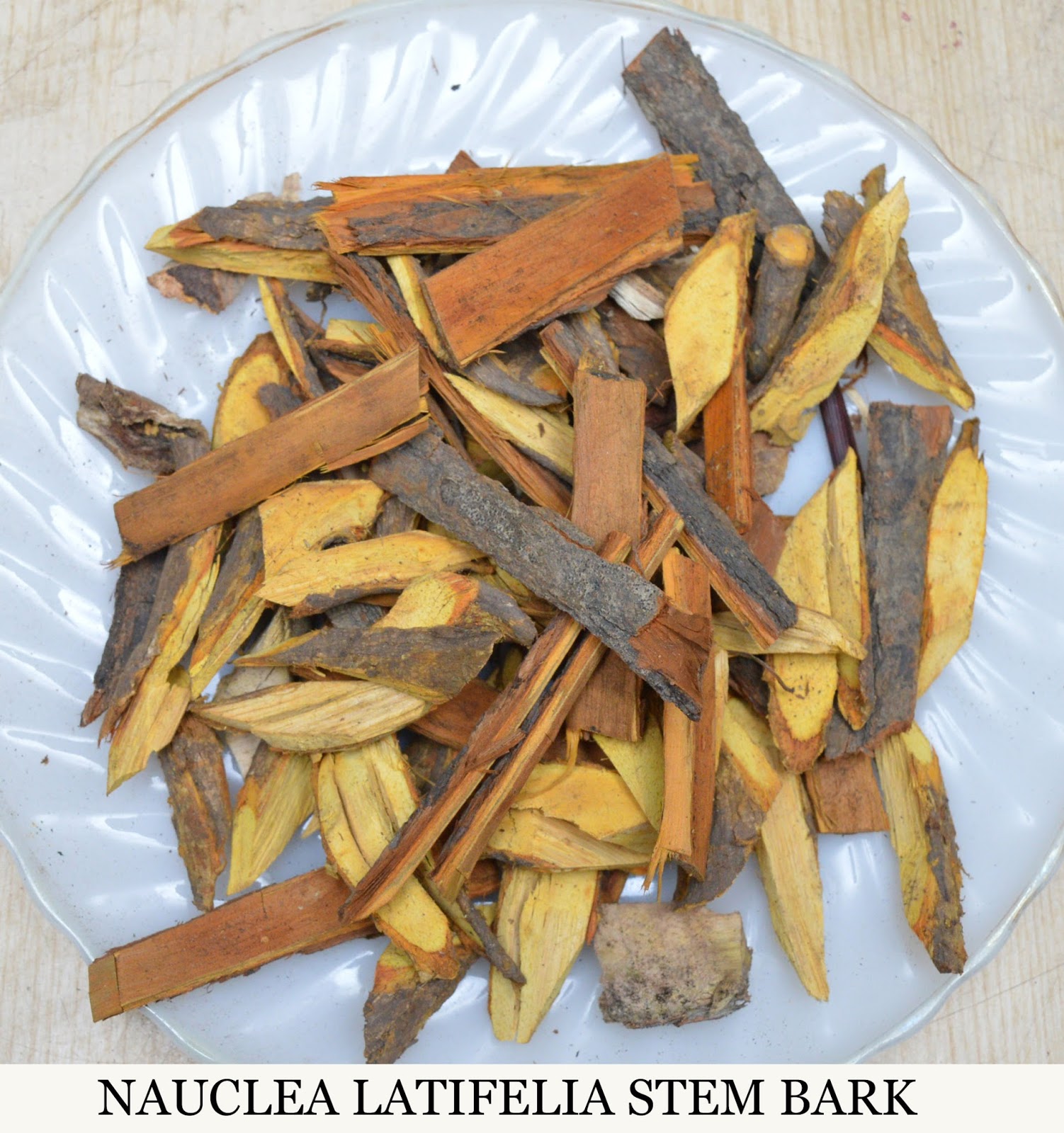
Nauclea Latifolia (Egbesi) Medicinal Uses


Image result for nauclea latifolia picturesNauclea latifolia is the botanical name of a small tree that is commonly known as African peach or pin cushion tree. It is native to Africa and Asia. It is called egbesi in Yoruba, tabasiya in Hausa and ubulu uno in Igbo. The roots, leaves and bark are commonly used in traditional medicine in Nigeria.

Nauclea latifolia contains active components tannins, alkaloids and saponins.

Therapeutic actions and properties
  • Antioxidant
  • Anti-inflammatory
  • Anti-malarial
  • Anti-bacterial
  • Anti-viral
  • Hypotensive
  • Anti-depressive
  • Hypoglycemic
  • Analgesic
  • Antispasmodic
  • Aphrodisiac
  • Hepatoprotective

Nauclea Latifolia medicinal uses:
  • To treat diabetes
  • To treat pain
  • To kill intestinal parasites
  • To treat malaria
  • To lower blood pressure
  • To treat jaundice
  • To reduce anxiety
  • To treat depression
  • To treat stomach issue
  • To resolve menstrual issues
  • To treat yellow fever
  • To treat arthritis and rheumatism
  • To boost male libido and potency
  • To treat respiratory conditions like cough, bronchitis, etc.
  • To treat fevers  
  • To treat abdominal pains
  • To treat diarrhea and dysentery
  • To treat epilepsy

Other uses of Nauclea latifolia parts:
  • The fruits are eaten as food and also used to treat coughs.
  • The flower heads are cooked as vegetables.
  • The tree gives shade and cover.
  • The roots give a yellow dye.
  • Twigs are used as chewing sticks.
Nauclea latifolia stem bark has been found to contain tramadol, a strong pain killer in its natural form. Nauclea latifolia  is used a lot in Nigeria especially in the South-West part due to its numerous therapeutic properties.

Share what you know about this plant below. Leave your comment and question below. Follow on Twitter @heal2well.